

RFIs, ASIs, CCNs, PCs, COPs... Oh My!
Welcome to What the RFI!—the architectural podcast where we dive deep into Construction Administration (CA) from the perspective of an architect and project coordinator. I’m Matt Brennan, and today, we are going back to the basics with CA 101.
If you’ve been doing CA for a long time, you might not learn anything new in this episode—but if you know someone looking to break into CA, this is the perfect starting point.

Why Is Construction Administration Required for a Project?
Construction Administration ensures that the building is constructed as per the drawings and specifications—no unauthorized alternates! As the Contractually Responsible Party (CRP), the architect is legally required to oversee the project from start to finish, ensuring:
- Code compliance – The architect must ensure that all aspects of the design adhere to the latest building codes, safety regulations, and accessibility requirements.
- Quality control – By reviewing submittals, RFIs, and field conditions, the architect verifies that the contractor is meeting design intent and material specifications.
- Legal protection – If a dispute arises or the project faces legal scrutiny, thorough documentation of CA activities (such as RFIs, field reports, and submittals) serves as evidence that due diligence was performed.
- Minimizing risk and change orders – Regular site visits and prompt responses to contractor inquiries help prevent costly errors and misinterpretations before they become larger issues.
- Owner representation – The architect plays a critical role in advocating for the project owner by ensuring the contractor delivers what was originally designed and agreed upon.
- Coordination with consultants – The architect collaborates with engineers, interior designers, and other consultants to resolve conflicts and ensure all disciplines align properly.
Without effective Construction Administration, projects risk chaos due to miscommunications, cost overruns, schedule delays, and potential legal disputes. This process ensures that the vision in the construction documents becomes a reality while maintaining quality, compliance, and cost control.
Now, let’s break down the essential terms, their applications, and the full CA process.
Key Construction Administration Terms & Processes
Drawings (can we still call these Blueprints?)
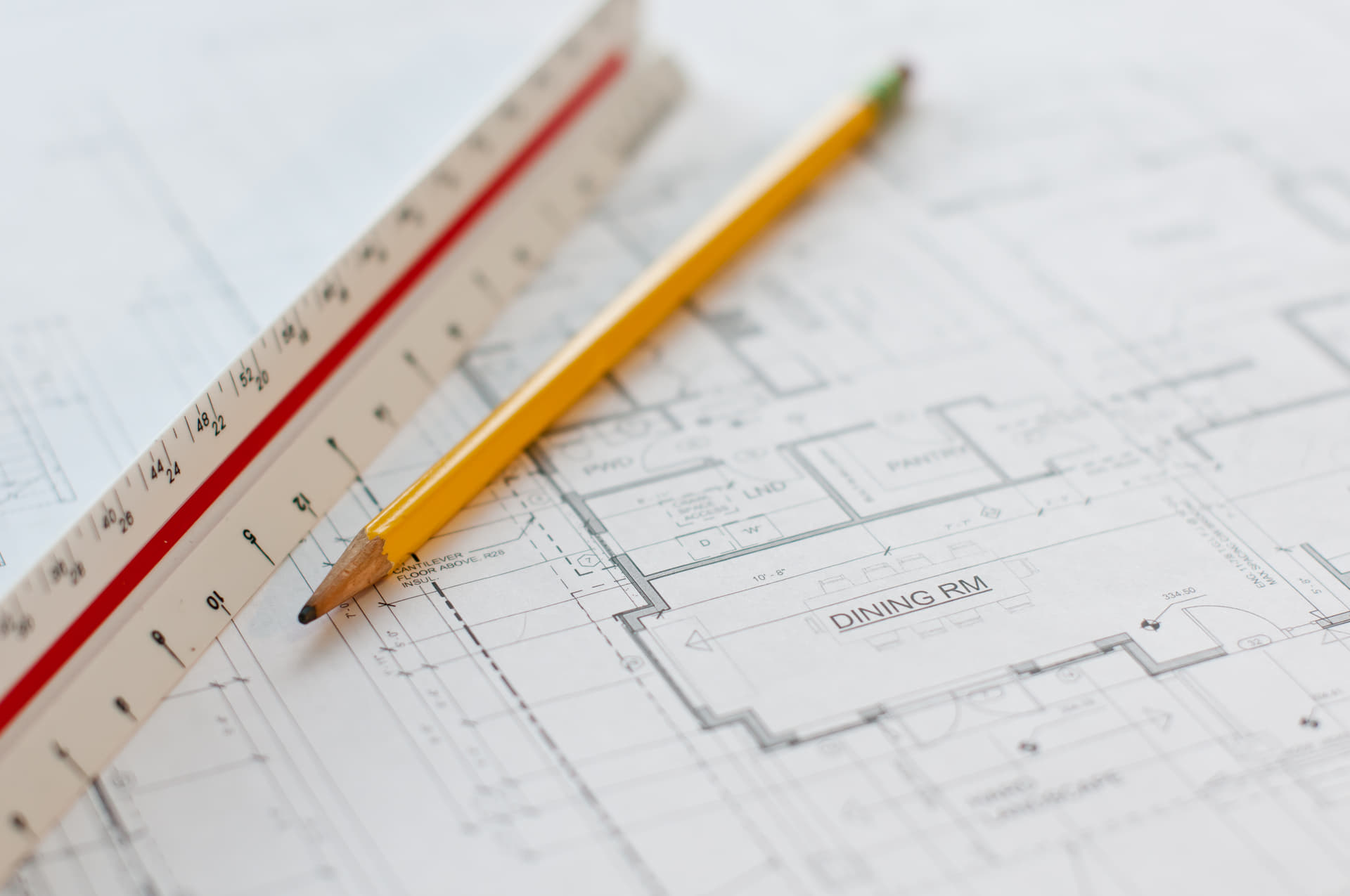
Architectural drawings are detailed representations of a building’s design, layout, and construction. They serve as a blueprint for the project, illustrating everything from the overall structure to specific elements like walls, doors, windows, and systems (e.g., plumbing and electrical). These drawings communicate the architect’s vision to builders, contractors, and other stakeholders, ensuring the project is executed according to plan. They typically include floor plans, elevations, sections, and details, and may also feature site plans and 3D renderings to offer a complete understanding of the design.
Your drawings represent the vision, countless hours of hard work, and meticulous detailing.
Specifications (Specs)
Specifications, often referred to as “specs,” are detailed written documents that outline the requirements for materials, products, workmanship, and construction methods for a building project. They complement architectural drawings by providing clear instructions on how the design should be executed. Specifications cover a wide range of elements, including the quality of materials, installation processes, performance standards, and testing requirements. They ensure that the project meets design intent, building codes, and industry standards, and they guide contractors and suppliers in fulfilling the project’s requirements accurately.
Work alongside the drawings
Cover all disciplines (architectural, structural, mechanical, electrical, etc.)
Define materials, finishes, and equipment used in the project
Request for Information (RFI)
A Request for Information (RFI) sent by the general contractor is a formal inquiry used to clarify ambiguities or seek additional details about the project’s design or specifications. When something in the architectural drawings or specifications is unclear, incomplete, or requires further explanation, the general contractor submits an RFI to the architect or other design professionals. The RFI helps ensure that construction proceeds without delays or errors by obtaining the necessary information to resolve issues or confirm decisions. It typically includes a description of the issue, the impact on the project, and the information needed to proceed.
A formal question submitted by the contractor
RFIs help clarify design intent, discrepancies, or missing details
A high volume of RFIs doesn’t necessarily mean bad drawings—sometimes, it’s a strategy to seek additional costs
Timely responses are crucial to prevent project delays

For a detailed review of what an RFI is, check out this blog post!
Submittals / Shop Drawings / Cut Sheets
Submittals, or shop drawings, are detailed documents or drawings provided by contractors or subcontractors to show how specific parts of the project will be fabricated or installed. These are typically used for items like windows, doors, mechanical systems, or custom components. Shop drawings provide a more detailed level of information than the architectural drawings, showing the exact dimensions, materials, finishes, and assembly methods that will be used. They are reviewed by the architect or design team to ensure they align with the design intent, specifications, and codes before fabrication or installation begins, helping to prevent errors during construction.
Submitted by contractors to confirm compliance with the design intent
Reviewed by the entire design team
Often require revisions and resubmissions
The last chance to verify before ordering materials
Proposed alternates—proceed with caution
Response time is key to avoid schedule delays
Managed through a Shop Drawing Schedule
Supplemental Instruction / Site Instruction (ASI)
A Supplemental Instruction (SI) or Site Instruction (SI) is a written directive issued by the architect or project manager to provide additional clarification, instructions, or modifications during construction. These instructions are typically issued when unforeseen conditions arise on-site or when a change to the original design or scope of work is needed. They serve to guide the contractor in addressing issues without formally altering the contract documents. Supplemental instructions are usually less formal than change orders and help ensure the project stays on track, providing clear guidance to resolve specific on-site challenges.
Issued when clarifications are needed from RFIs, submittals, or owner changes
Does not involve cost changes
Provides direction on how to proceed without modifying the contract price or scope
If cost is involved, we move to the next step…

Proposed Change / Contemplated Change Notice (CCNs, PCs)
A Proposed Change or Contemplated Change Notice (PCO/CCN) is a formal notification issued by the contractor or project team to inform the architect, owner, or relevant stakeholders of a potential change in the scope of work or project requirements. It typically arises when an unforeseen condition, design modification, or request for additional work is identified during construction. The notice outlines the proposed changes, their reasons, and their potential impact on the project’s cost or schedule. The PCO/CCN serves as a precursor to a formal change order, allowing for discussions and evaluations before any changes are officially implemented.
Many names for this document, but the purpose is the same: it signals a change that requires pricing
Similar to an ASI, but with cost implications
Often initiated by the owner or consultant team when a potential change is identified
Requests pricing from the contractor before formally approving any changes
Pricing Review
Pricing Review or Pricing Received refers to the cost estimate provided by the general contractor for a proposed change in the project’s scope of work. This pricing is submitted for review before it is processed into a formal change order. The general contractor details the costs associated with the change, including labour, materials, equipment, and any additional overhead. The architect, owner, or project manager reviews the submitted pricing to ensure it aligns with the project’s budget, scope, and contractual terms. The review process ensures that the pricing is accurate and reasonable before approval and formal incorporation into the project’s contract.
After a CCN or PC is issued, the contractor submits a cost breakdown for the proposed change
The architect and consultant team review the pricing for fairness and accuracy
Pricing may include labour, materials, markups, and impact on the project schedule
Negotiations may be required if pricing is deemed excessive or unclear

Change Order (CO)
A Change Order is a formal, written agreement that modifies the original contract terms of a construction project. It typically occurs when there is a change in the scope of work, schedule, or cost, which was not anticipated in the initial contract. A change order outlines the specific alterations, the reasons for the change, and the adjusted costs or timelines. It is issued after a careful review of a proposed change and its associated pricing, ensuring that all parties (the architect, contractor, and owner) agree to the adjustments. Once signed, the change order becomes part of the contract and legally authorizes the revised terms to be implemented in the project.
Issued once pricing is reviewed and approved
Adjusts the contract value accordingly
May be drawn from contingencies or cash allowances
Requires approval from the owner, architect, and sometimes the lender before work proceeds
Once executed, the contractor can formally proceed with the change
Progress Claim
A Progress Claim is a request for payment submitted by the contractor to the project owner at various stages of the construction project. It reflects the work completed up to that point, including any materials, labour, or other costs incurred. The claim typically includes a breakdown of the completed tasks, corresponding costs, and any adjustments made for previous payments or changes. The progress claim helps ensure that the contractor receives payment for work already completed, and it allows the project owner or architect to verify that the work aligns with the contract before releasing funds.
Submitted monthly by the contractor for payment on completed work
Reviewed by the entire project team
Adjustments may be made for:
Materials on-site or in storage
Work not yet completed
Once approved, a Certificate of Payment is issued
Certificate of Payment (COP)
A Certificate of Payment is an official document issued by the architect, project manager, or other authorized party to confirm that a progress claim submitted by the contractor has been reviewed and is approved for payment. It certifies that the work completed up to that point meets the contract requirements and that the contractor is entitled to receive the specified payment. The certificate typically includes the amount to be paid, deductions for any issues or incomplete work, and the approval of any adjustments made. Once issued, it serves as authorization for the project owner to release payment to the contractor.
Issued after a progress claim is reviewed and approved
Typically signed off by both the architect and owner

Field Review
A Field Review is an on-site inspection conducted by the architect, project manager, or another design professional to assess the progress or quality of construction work. During a field review, the reviewer compares the work completed with the design documents, identifying any discrepancies, issues, or areas for improvement. It may also involve verifying that construction is in compliance with building codes, specifications, and the overall design intent. Field reviews are essential for ensuring that the project is being built correctly and in alignment with the approved plans before proceeding to the next stages.
Conducted monthly by the architect, engineers, and project coordinators
Documents construction progress through observations and reports
Identifies deficiencies and tracks corrections
Ensures life safety and code compliance

Conclusion
In summary, architectural drawings, specifications, and various forms of communication, such as RFIs, submittals, and change orders, all play crucial roles in the successful execution of a construction project. Each document serves a specific purpose, whether it’s providing clarity, ensuring compliance with design intent, or managing changes. RFIs address uncertainties, while shop drawings and submittals detail the implementation of the design. Supplemental instructions guide on-site adjustments, and proposed changes or pricing reviews help manage scope alterations and cost implications. Change orders formalize these adjustments, ensuring that all parties agree on modifications. Progress claims and certificates of payment ensure contractors are paid for completed work, and field reviews ensure the project is built according to plan. Collectively, these tools facilitate effective communication, maintain project quality, and help keep construction projects on track and within budget.
And that’s a day in the life of someone doing Construction Administration (aka CA)!
Until next time—architects, keep designing; contractors, keep making those drawings a reality!